- Basedment
- Posts
- Entering Week 3: No End In Sight
Entering Week 3: No End In Sight
As the conflict continues to expand regionally, we take a look back at the last 48 hours.

Editor-in-Chief
March 16, 2026
THE BRIEFING
Here’s what’s happening in geopolitics today.
The Strait of Hormuz is once again at the centre of global tensions, with Donald Trump urging allies to send warships to help keep the vital energy chokepoint open as the conflict with Iran escalates.
Meanwhile, Washington and Beijing are quietly talking trade in Paris ahead of a possible Trump–Xi summit, French voters head to the polls in elections that could shape the 2027 presidential race, Ukraine is offering its drone-war expertise to Gulf states, and Canada is teaming up with the Nordics to strengthen cooperation among the world’s “middle powers.”
As the conflict continues to expand regionally, we take a look back at the last 48 hours in todays Deep Dive.
THE LAST 24 HOURS IN GEOPOLITICS
1. Trump pushes allies to send warships to keep strait of Hormuz open
Trump has called on allied nations to send warships to the Strait of Hormuz to help keep the critical shipping lane open amid escalating conflict with Iran. In a post on his Truth Social platform, Trump said “many countries” — including Britain, France, Japan, South Korea, and China — could deploy naval forces alongside the United States to secure the waterway and protect commercial shipping. The appeal comes as Iran’s actions and recent attacks on vessels have severely disrupted traffic through the strait, a chokepoint that normally carries a large share of the world’s oil and gas shipments.
read more
2. US, China hold trade talks in Paris to clear path to Trump-Xi summit
Senior U.S. and Chinese officials have begun trade and economic talks in Paris aimed at easing tensions and paving the way for a planned summit between Donald Trump and Xi Jinping later this month. The negotiations, led by U.S. Treasury Secretary Scott Bessent and Chinese Vice Premier He Lifeng, are focusing on tariffs, rare-earth mineral exports, high-tech export controls, and Chinese purchases of U.S. agricultural goods. The meetings are intended to stabilize relations between the world’s two largest economies and test whether both sides can maintain a fragile trade truce ahead of the leaders’ expected summit in Beijing.
read more
3. France votes in local elections seen as crucial indicator for presidential poll
French voters are heading to the polls in nationwide municipal elections, selecting local leaders across roughly 35,000 municipalities in the first round of voting. The results are being closely watched as an early indicator of political momentum ahead of the 2027 presidential election, when President Emmanuel Macron will step down after serving the maximum two terms. Analysts say the performance of the far-right National Rally, along with the strength of traditional parties in major cities such as Paris and Marseille, could offer important clues about France’s political direction.
read more
4. Zelenskyy says Ukraine wants money, technology in return for drone help
Zelenskyy said Kyiv expects financial compensation and access to new technology in return for helping Middle Eastern countries defend against Iranian drone attacks. Ukraine has sent teams of specialists to countries including Qatar, the United Arab Emirates, Saudi Arabia, and a U.S. base in Jordan to share its experience in countering drones such as Iran’s Shahed systems. Zelenskyy emphasized that Ukraine is not participating in combat operations, but is offering technical expertise and assessments while seeking long-term defence cooperation deals with Gulf states.
read more
5. Canada and Nordics seek closer ‘middle power’ cooperation
Canada and the five Nordic countries (Norway, Sweden, Denmark, Finland, and Iceland) have agreed to deepen cooperation on defense industry production, procurement, and broader security coordination. The announcement came during a meeting in Oslo as Canadian Prime Minister Mark Carney pushes to build stronger alliances among so-called “middle powers” amid shifting global geopolitics. Leaders also reaffirmed support for Ukraine and said closer coordination could strengthen both economic ties and regional security.
read more
ENTERING WEEK 3 OF CONFLICT - NO END IN SIGHT
The conflict between the United States, Israel, and Iran is increasingly shifting from direct strikes toward a broader strategic contest involving maritime chokepoints, regional infrastructure, and diplomatic leverage.
Iran has reportedly launched around 400 ballistic missiles toward Israel since the war began, according to Israeli sources. Iranian analysts say the heavy use of cluster-warhead missiles is designed to overwhelm Israeli air defenses by dispersing multiple submunitions, complicating interception.
Inside Iran, tensions escalated after U.S. strikes targeted military installations on Kharg Island, described by Donald Trump as Iran’s “crown jewel.” The island handles roughly 90% of Iran’s oil exports, making it one of the most critical nodes in the country’s economy. Trump said U.S. forces deliberately avoided striking oil infrastructure “for reasons of decency,” but warned this could change if Iran interferes with shipping through the Strait of Hormuz.
Meanwhile, the IRGC announced a joint missile and drone attack with Hezbollah as part of Iran’s annual al-Quds Day, a symbolic show of support for the Palestinian cause.
Washington is also escalating rhetorically. U.S. Defense Secretary Pete Hegseth claimed Iran’s new supreme leader Mojtaba Khamenei may have been wounded, while the U.S. State Department has reportedly offered $10 million for information on senior Iranian leadership figures.
At sea, the Strait of Hormuz is emerging as the central strategic battleground. Iran recently allowed several Indian vessels to transit the strait, after which India released three Iranian oil tankers previously seized under sanctions. If other countries begin negotiating similar arrangements, it could create de facto recognition of Iranian leverage over Hormuz – something the Trump administration strongly opposes.
Iran is simultaneously widening its targeting doctrine. The IRGC warned that industries across the region with American ownership or investment could be considered legitimate targets.
The battlefield is expanding geographically. Drone strikes reportedly hit Fujairah port in the UAE, while Saudi Arabia intercepted multiple drones and Qatar intercepted a missile near Doha. Iranian-aligned Iraqi militias also struck the U.S. Embassy compound in Baghdad, reportedly damaging part of its air-defense system.
Saudi Arabia is quickly rising up the ladder for most-hit targets, closing in on Bahrain. This is a development we should keep an eye on, because if attacks continue to penetrate (as they did for the five KC-135’s) then Irans early strategy of focussing on radar installations may have been the right move.
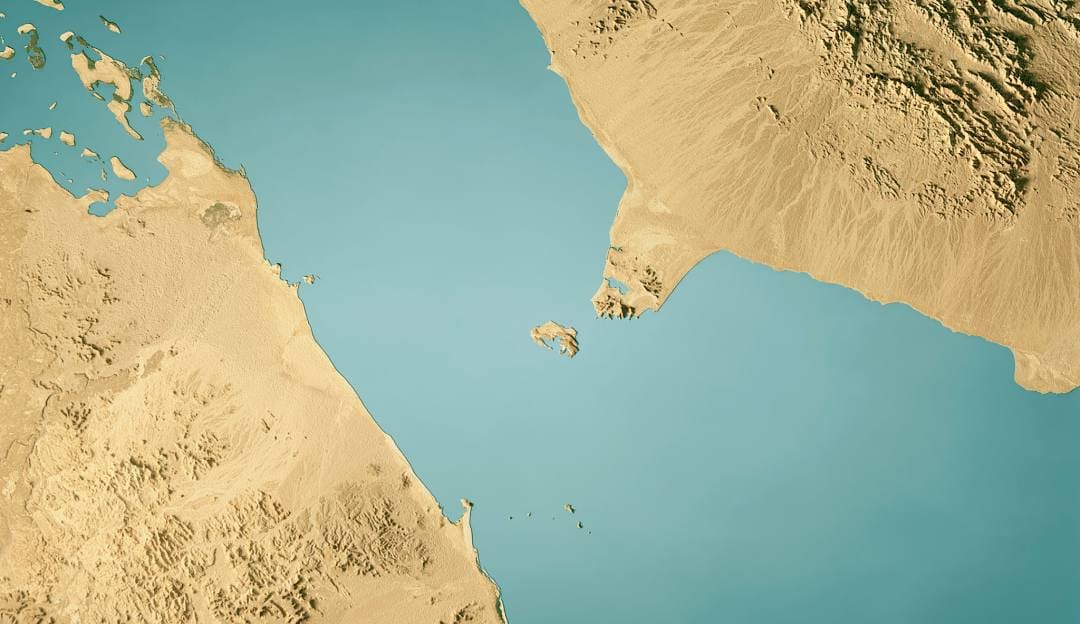
Meanwhile, Houthi officials in Yemen signal they may soon enter the war, raising the possibility that the Bab el-Mandeb Strait could also come under pressure. The USS Ford fleet is operating in the Red Sea possibly to mitigate any major risks from Houthi attacks in the short term.
If both Hormuz and Bab el-Mandeb become contested simultaneously, the United States and its allies would be forced to divide naval resources across two critical global chokepoints.
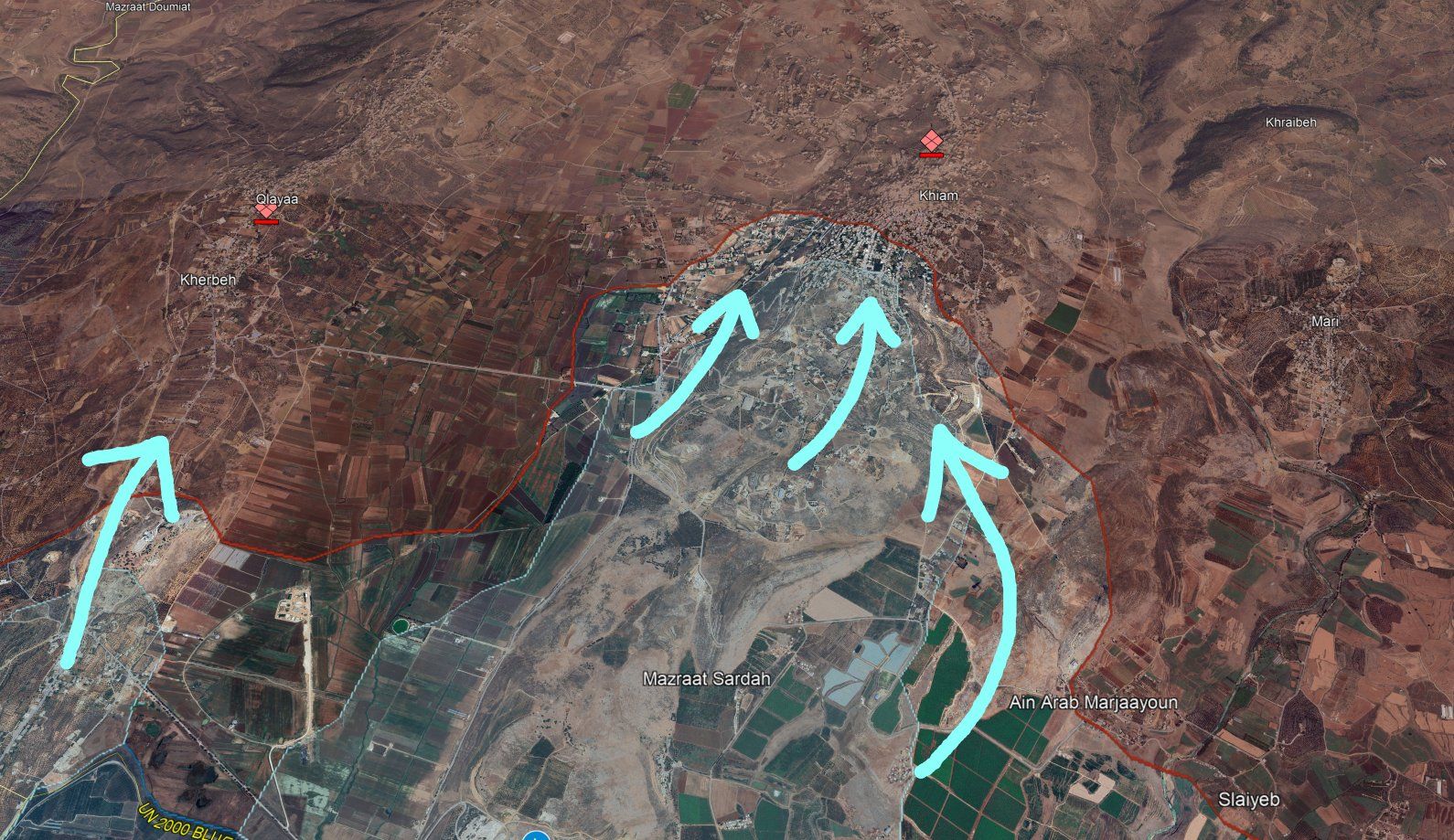
Lebanon:
The central battleground is the town of al-Khiam. Within the last 24 hours, IDF forces have pushed deep into central al-Khiam, reportedly controlling around 40% of the town. Israeli artillery and airstrikes are targeting northern sectors while Hezbollah’s Radwan Unit engages in close-quarters fighting. Hezbollah claims RPG, mortar, and ATGM attacks on Israeli positions as Israeli armour advances from multiple axes, including the eastern flank.
Sources available upon request
TODAY IN HISTORY
(March 15, 1949): Hitler orders church bells be reclaimed for war efforts
On this day in 1940, Adolf Hitler decreed that church bells across Germany be confiscated for use in the ongoing war. About 175,000 church bells were taken by force, despite widespread protest, and melted down to make armaments for the German military. In addition to marking times of prayer throughout the day and summoning worshipers to Sunday services, many had functioned for centuries as holiday markers, ringing during times of celebration and merriment. Many years after the war, bells were discovered in various locations across Europe, including Estonia and Poland—buried to prevent their peals from being stolen for the war effort.
