- Basedment
- Posts
- GEOPOLITICS DAILY BRIEFING - 11 JUNE
GEOPOLITICS DAILY BRIEFING - 11 JUNE
Your daily dose of geopolitical updates and strategic analysis. Unbiased, but not unbased.

Editor-in-Chief
June 11, 2025
THE BRIEFING
Here’s what’s happening in geopolitics today.
Today’s briefing covers major unrest in the U.S. as ICE raids spark nationwide protests, a significant EU-Bosnia agreement, and rising regional tensions in Sudan and the Balkans. Plus, Russia positions itself as a nuclear middleman between Iran and the West.
We’re also diving deeper into another big story of the day: a potential breakthrough in U.S.–China trade talks that could reset the tone between the world’s two largest economies.
THE LAST 24 HOURS IN GEOPOLITICS
1. U.S. ICE Raid Protests continue, spreading across other cities
Protests in Los Angeles have entered a fifth night after Trump’s immigration raids. A downtown curfew has been implemented as police made nearly 200 arrests and reported widespread looting. Trump deployed 4,000 National Guard troops and 700 Marines without state approval, prompting California Governor Gavin Newsom to call it a “brazen abuse of power.” The troops, who cannot make arrests, are supporting ICE operations as Trump pushes for 3,000 deportations a day. Protests have now spread to other major cities, with a federal court hearing set for Thursday.
read more
2. Bosnia signed new agreement with EU, strengthening ties
The EU and Bosnia and Herzegovina have signed a new agreement allowing Frontex to deploy officers across Bosnian borders, including at airports and non-EU crossings, to strengthen migration and border management. This marks a key step in the EU’s Western Balkans Action Plan, with irregular border crossings down 95% since 2022, and extends ongoing joint operations across the region.
read more
3. Sudan blasts UAE and Libyan Haftar for allegedly aiding RSF
Sudan has accused the UAE and Libyan warlord Haftar of backing a recent RSF assault near the Libya-Egypt-Sudan border triangle, calling it a “blatant aggression” and violation of international law. The Sudanese army claims the UAE is escalating the conflict by arming militias and coordinating strikes, as RSF fighters reportedly seized the entrance to the strategic Jebel Uweinat region.
read more
4. Serbian President visits Ukraine for first time in Odessa
Serbian President Aleksandar Vučić visited Ukraine for the first time in his 12-year tenure, attending the Ukraine–Southeastern Europe Summit in Odesa. While Serbia maintains close energy ties with Moscow and has not joined Western sanctions, Vučić reiterated support for Ukraine’s territorial integrity—a stance that has drawn criticism from Russia, which recently accused Serbia of covert arms sales to Ukraine.
read more
5. Russia has offered to remove Irans enriched Nuclear Materials
Moscow has also offered to convert them into reactor fuel, proposing it as a practical step to bridge the divide between Washington and Tehran over Iran’s nuclear program. While the U.S. demands Iran ship out all highly enriched uranium, Iran insists on keeping amounts within limits set by the 2015 deal. Moscow, which maintains close ties with Tehran, says it supports Iran’s right to peaceful nuclear energy but opposes any move toward weaponization or military strikes.
read more
DAILY DEEP DIVE
US & China Agree to Dial Down Trade War
After months of rising tensions, the US and China have agreed on a framework to de-escalate their trade war — a move that could unlock billions in disrupted trade and soothe global markets.
What happened?
Negotiators from both sides met in London and agreed on how to implement the tariff truce originally struck in Geneva. The deal includes key steps to resolve disputes around rare earth exports — critical for tech and military manufacturing.
Why are rare earths such a big deal?
Rare earth minerals are essential for things like EVs, lasers, mobile phones — and China controls the majority of global supply. The US had accused Beijing of stalling exports, threatening American industry. But now, the new framework reportedly includes a path to lift restrictions from both sides.
“Once the presidents approve it, we will then seek to implement it,” said US Commerce Secretary Howard Lutnick. That’s the catch — both Biden and Xi need to formally sign off.
What’s at stake?
US-China trade makes up a huge chunk of global commerce. The Geneva deal paused tit-for-tat tariffs for 90 days, but trust between the two powers remains fragile. China’s exports to the US dropped 34% in May — the biggest fall since early COVID days.
Is this the start of genuine coordination between two rival superpowers? Or just a temporary pause before things blow up again?
TWEET OF THE DAY
Elon Musk has either woken up from the worst hangover of his life or got a pretty serious call from someone up top.
I regret some of my posts about President @realDonaldTrump last week. They went too far.
— Elon Musk (@elonmusk)
7:04 AM • Jun 11, 2025
TODAY IN HISTORY
(June 11, 1184BC):
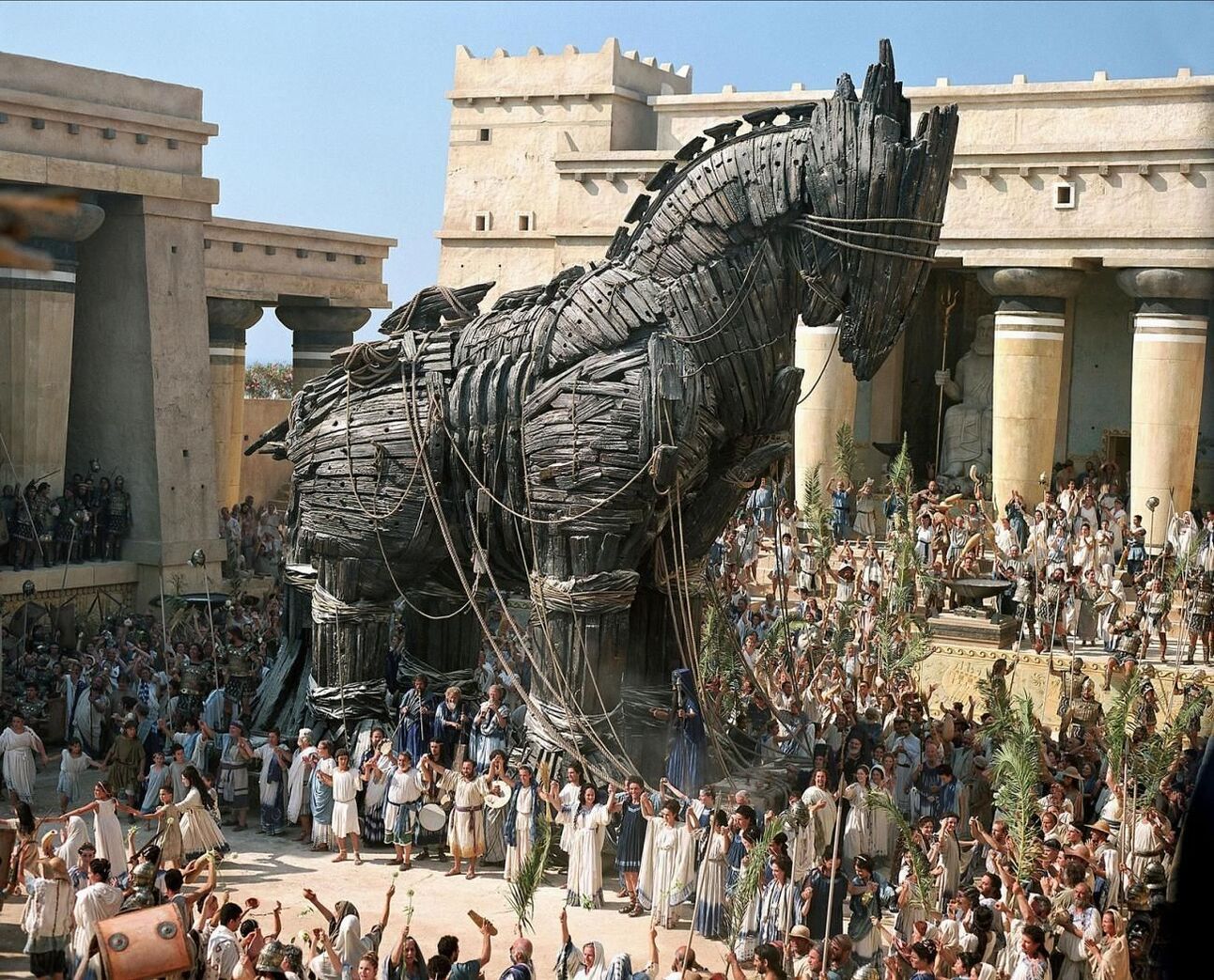
On this day, as calculated by ancient Greek scholar Eratosthenes, the legendary city of Troy was sacked and burned. Immortalized in Homer’s Iliad and Odyssey, the fall of Troy marks one of the most iconic events in ancient history—blending myth, literature, and early geopolitical conflict between East and West.