- Basedment
- Posts
- GEOPOLITICS DAILY BRIEFING - 12 JUNE
GEOPOLITICS DAILY BRIEFING - 12 JUNE
Your daily dose of geopolitical updates and strategic analysis. Unbiased, but not unbased.

Editor-in-Chief
June 13, 2025
THE BRIEFING
Here’s what’s happening in geopolitics today.
The Middle East heats up as the U.S. pulls embassy staff from multiple countries amid escalating Iran-Israel tensions, while Trump threatens sweeping new tariffs on over 150 trading partners.
We’ve also got eyes on a tragic air crash in India, a major shift in the Pentagon’s stance on the AUKUS submarine pact, and Pakistan’s sharp military spending increase. Plus, today’s deep dive explores Russia’s critical breakthrough in Siversk — a move that could reshape the battlefield in Ukraine.
THE LAST 24 HOURS IN GEOPOLITICS
1. U.S. evacuates non-essential personnel amid rising Iran-Israel tensions
The United States has ordered the evacuation of non-essential diplomatic staff from embassies in Baghdad, Bahrain, and Kuwait due to escalating tensions between Iran and Israel. This move follows Iran's non-compliance with nuclear obligations and its plans to establish a new uranium enrichment facility. The U.K. has also advised ships in the Gulf to exercise heightened caution. These developments have raised concerns about potential regional conflict and its impact on global security and energy markets.
read more
2. Pentagon launches review of AUKUS nuclear submarine deal
The U.S. Department of Defence has initiated a review of the AUKUS nuclear submarine agreement with the U.K. and Australia. This assessment aims to determine whether the U.S. should proceed with its commitment to supply up to five Virginia-class submarines to Australia. Concerns have been raised about the U.S. Navy's capacity to meet domestic needs while supporting allies, especially amid potential conflicts in the Indo-Pacific region. The review has introduced uncertainty into the trilateral security pact, prompting discussions among officials in London and Canberra about the future of the agreement.
read more
3. Pakistan increases defence budget by 20% amid regional tensions
Pakistan has announced a 20% increase in its defense budget for the 2025–26 fiscal year, raising it to 2.55 trillion rupees ($9 billion). This decision follows recent military confrontations with India, including airstrikes on Pakistani territory. The budget increase is aimed at modernizing the military and acquiring advanced equipment, such as China's fifth-generation J-35A stealth fighter jets. Despite economic challenges and reliance on IMF aid, the move has garnered domestic support as a necessary measure for national security.
read more
4. Trump announces imminent unilateral tariffs on trade partners
President Donald Trump has declared plans to unilaterally impose new tariffs on over 150 U.S. trading partners within the next two weeks. At an event at the Kennedy Center, he stated that formal letters outlining "take-it-or-leave-it" trade terms would be sent to these nations, signaling a shift away from traditional negotiations. While the U.S. has secured trade deals with countries like China and the U.K., ongoing discussions with others, including Japan and South Korea, continue.
read more
5. More than 100 dead as plane crashes at India’s Ahmedabad airport
An Air India Boeing 787-8 Dreamliner en route from Ahmedabad to London Gatwick, crashed shortly after takeoff. The aircraft, carrying 242 individuals plummeted into a residential area near the airport, striking a doctors' hostel at B.J. Medical College. At least 100 people have been confirmed dead, with many more feared trapped in the wreckage.
read more
DAILY DEEP DIVE
Siversk, Ukraines fortress gateway, at risk
After years of repeated, brutal assaults - the Russian army is moving, and possibly out flanking the important city of Siversk.
Why is Siversk important?
Siversk is part of the first line of Ukraine’s defensive system in Donetsk - an arc that held firm since the fall of Severdonetsk and Lysychansk in 2022. This line protects the Sloviansk-Kramatorsk sector, the last major Ukrainian stronghold in northern Donetsk. If Siversk falls, the path to these cities begins to open, since Siversk is a key logistical hub for many of the frontline village fortresses on this front.
After years of failed assaults, heres what changed in the last few months
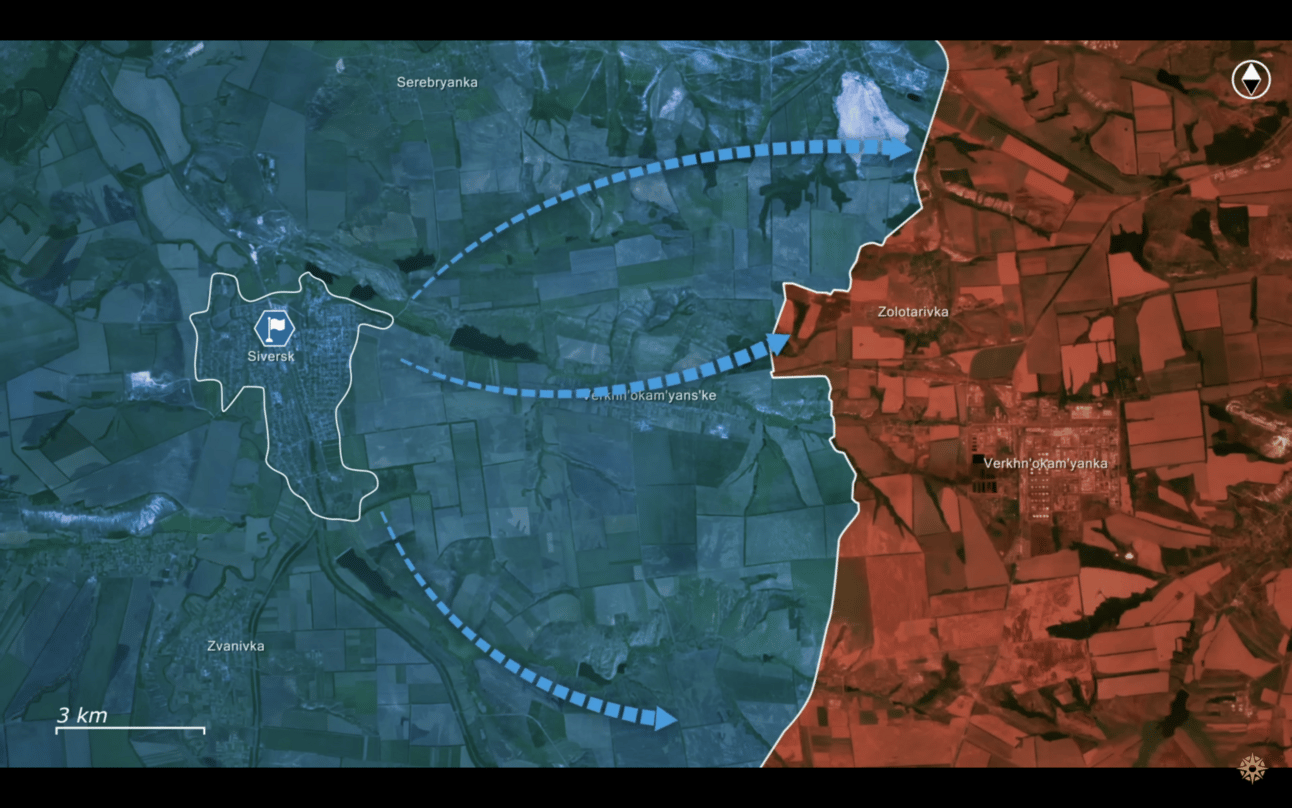
For, months Russia has been focusing on the village of Verkhokamianske. That settlement was the last Ukrainian position shielding Siversk from the east. After repeated failed costly assaults, using mechanised units with “turtle tanks”, Russia changed tactics - relying more on infantry, drones and light vehicles to bypass exposed terrain. By late May, they took full control of Verkhnokamianske. Rendering the supply role of Siversk useless, and bringing the Russians within 4km of the important town.
The big breakthrough west
As of last week, Russian troops have taken the trenches on the important tactical heights south of Hryhorivka, and now units are now storming Serebryanka, although control over neighbouring Hryhorivka is unconfirmed. Both villages are totally destroyed, thus cannot be used as a permanent base, however this opens up the northeastern flank of Siversk.
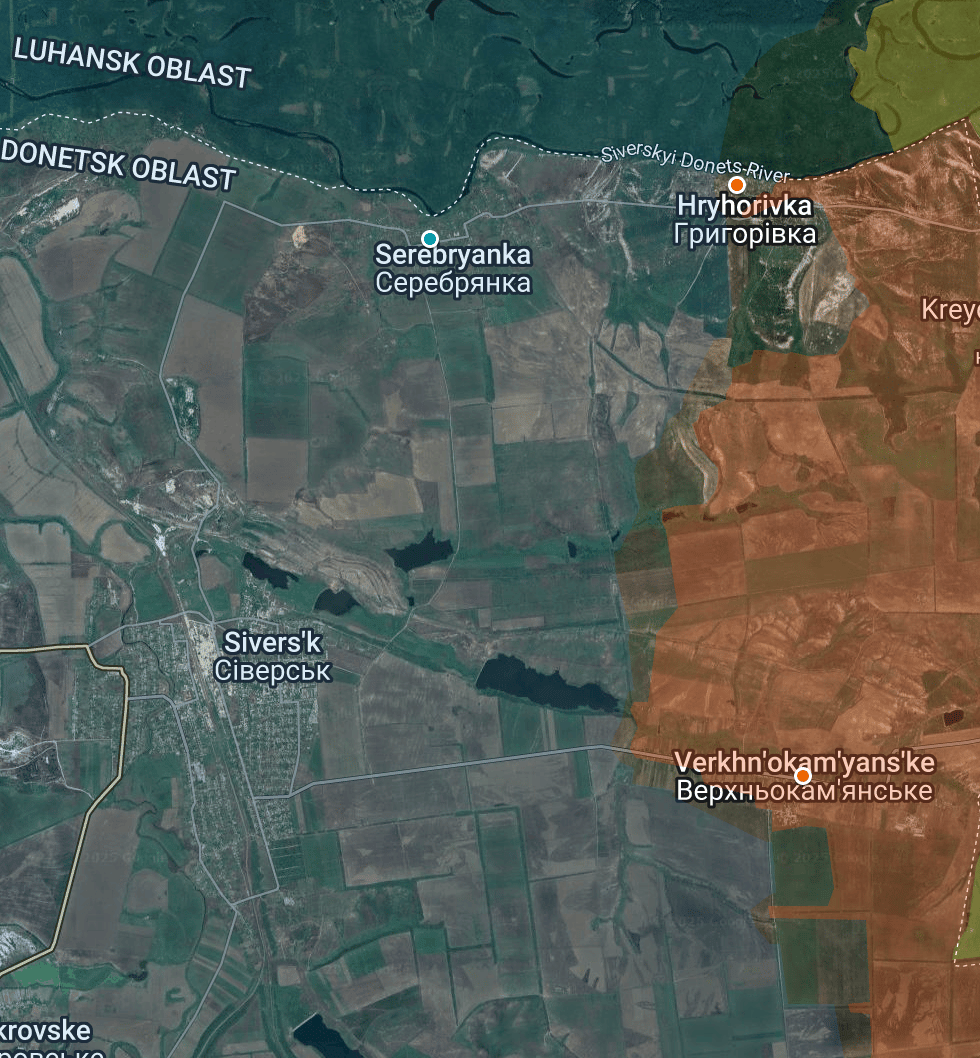
The timing of this significant, the southern section of the Sloviansk-Kramatorsk front is under extreme pressure with the fall of Toretsk, and many reinforcement brigades have been sent there, some as far as Sumy. Now a second front is under threat in much the same way.
Stay tuned for more developments.
Sources:
Map Source 1: Euromaiden Press, 15/02/2025
Map Source 2: Suriyak on X
Euromaiden Press, 15/02/2025
@AMK_Mapping X
Odessa Journal, 27/05/2025
Forbes, 12/03/2025
TWEET OF THE DAY
In the 21st century, state actors settle their differences over X… What will Trumps reply be?
Our ultimate negotiator.
— Iran Military (@IRIran_Military)
4:43 AM • Jun 12, 2025
TODAY IN HISTORY
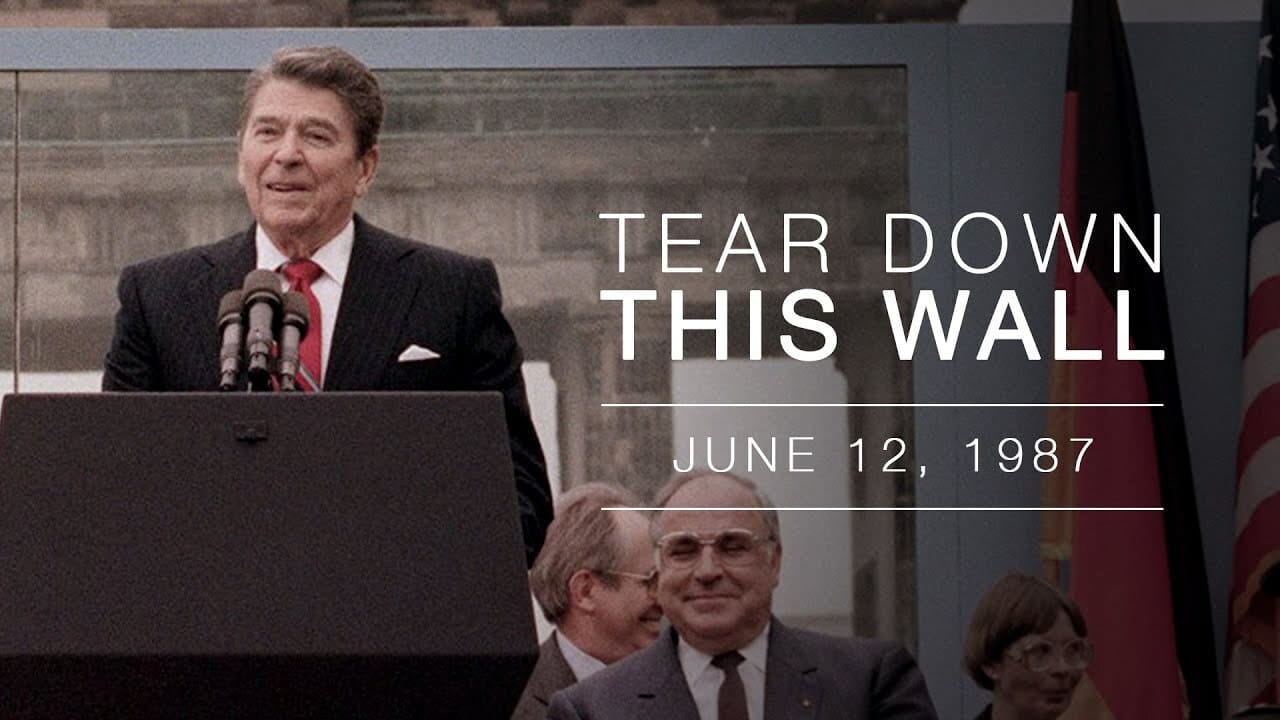
(June 12, 1987):
On this day, while speaking at the Brandenburg Gate in Berlin, U.S. President Ronald Reagan made his now-iconic appeal to the Soviet leader, declaring, “Mr. Gorbachev, tear down this wall.” His words became a powerful symbol of the West’s demand for freedom and the end of division in Europe.