- Basedment
- Posts
- GEOPOLITICS DAILY BRIEFING - 4 July
GEOPOLITICS DAILY BRIEFING - 4 July
Your daily dose of geopolitical updates and strategic analysis. Unbiased, but not unbased.

Editor-in-Chief
July 04, 2025
THE BRIEFING
Here’s what’s happening in geopolitics today.
From legislative showdowns in Washington to geopolitical power plays in Moscow, today’s headlines reveal a world grappling with shifting alliances and high-stakes confrontations.
Trump scores a razor-thin victory in Congress while also navigating tense calls with Putin and looming talks with Zelenskyy, all as Russian drones hammer Kyiv overnight. Indonesia races to rescue ferry passengers in treacherous seas, and Moscow stuns the West by formally recognizing the Taliban government in Afghanistan.
And in our deep dive we discuss Russia’s new incursion into Kursk.
THE LAST 24 HOURS IN GEOPOLITICS
1. Trump’s ‘big beautiful bill’ narrowly passes congress
President Donald Trump's sweeping "One Big Beautiful Bill" has narrowly passed Congress, marking a significant legislative victory for his administration. The bill, which includes $4.5 trillion in tax cuts and spending reductions, passed the House with a 218–214 vote and the Senate with Vice President JD Vance casting the tie-breaking vote. Key provisions include permanent extensions of the 2017 tax cuts, new deductions for tips and overtime pay, and substantial cuts to Medicaid and food assistance programs. Critics warn that the legislation could add $3.3 trillion to the national debt and disproportionately affect low-income Americans by reducing access to essential services.
read more
2. Russia’s all-night drone attack on Kyiv injures 23
Russia launched its largest aerial assault on Kyiv since the war began, deploying 550 drones and missiles in an overnight attack that injured at least 23 people and caused widespread damage across the capital. The barrage, which ignited fires and disrupted railway infrastructure, came just hours after a phone call between Presidents Putin and Trump yielded no progress toward a ceasefire. Ukrainian officials condemned the timing as a deliberate escalation, while Kyiv's mayor described the night as one of the most destructive in recent memory. The attack also coincided with Washington's decision to pause some critical weapon shipments, raising concerns about Ukraine's air defence capabilities.
read more

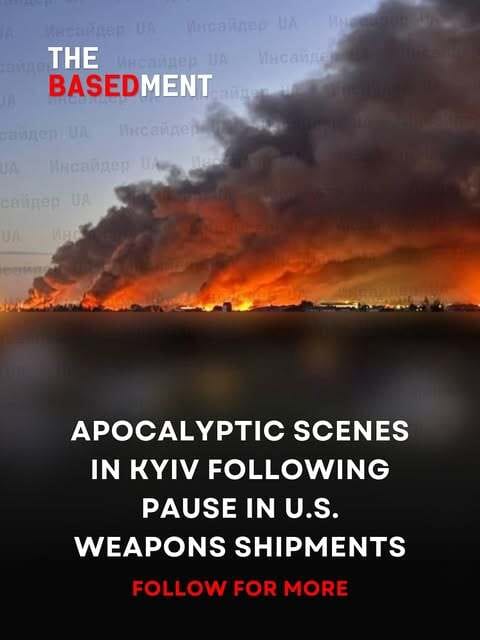

3. Trump disappointed by call with Putin and will be speaking with Zelenskyy on Friday
President Donald Trump expressed disappointment following a phone call with Russian President Vladimir Putin, stating that Putin showed no willingness to end Russia's war in Ukraine. The conversation, which lasted less than an hour, came amid renewed Russian airstrikes on Kyiv and ongoing U.S. debates over pausing certain arms deliveries to Ukraine. Trump is scheduled to speak with Ukrainian President Volodymyr Zelensky on Friday, as pressure mounts on Washington to clarify its military support and push for a ceasefire.
read more
4. Indonesia suspends then resumes search for missing 30 ferry passengers
Indonesian authorities have resumed the search for 30 people still missing after the KMP Tunu Pratama Jaya ferry sank late Wednesday in the Bali Strait. The ferry, carrying 65 passengers and crew, capsized approximately 30 minutes after departing Ketapang port in East Java en route to Gilimanuk, Bali, amid rough seas. Rescue operations, involving over 160 personnel, navy ships, helicopters, and drones, had been temporarily suspended due to poor visibility but have now intensified despite challenging conditions. So far, six fatalities have been confirmed, and 29 individuals have been rescued, while investigations into the cause of the sinking are ongoing.
read more
5. Russia becomes first country to recognise Taliban government of Afghanistan
Russia has officially recognised the Taliban government in Afghanistan, becoming the first country to do so since the group seized power in August 2021. The move follows Russia's removal of the Taliban from its list of banned terrorist organisations in April 2025 and the acceptance of credentials from the Taliban-appointed ambassador, Gul Hassan Hassan. Moscow aims to expand cooperation with Kabul in areas such as trade, energy, infrastructure, and counter-terrorism, while Afghan officials hailed the recognition as a "historic step" and encouraged other nations to follow suit.
read more
DAILY DEEP DIVE
NEW KHARKIV FRONT? HOW MANY FIRES CAN UKRAINE PUT OUT?
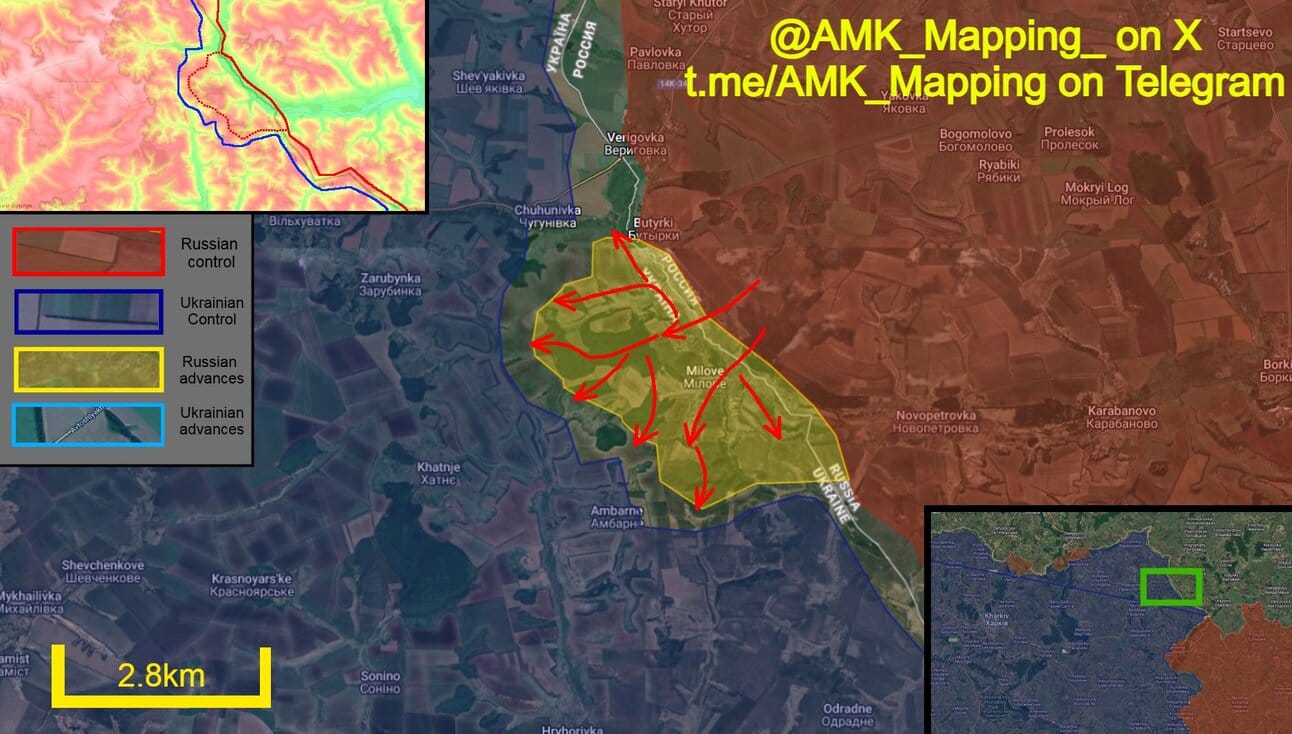
Russian forces have opened a new front in the Velykyi Burluk direction, achieving a localised breakthrough across the Kozynka River and seizing opposing tactical heights. Milove is now being used as a forward staging point. Russian reinforcements have strengthened the bridgehead, allowing them to move deeper into the forested high ground towards Chuhunivka and Ambarne. This is a classic example of a low cost and high reward operation for Russia. There was little initial resistance, the footprint remains relatively light, yet the move has succeeded in forcing Ukraine to spread itself even thinner.
There are a few clear reasons behind this move.
Buffer zone along Belgorod
Much like the Sumy incursion, this appears aimed at creating a buffer along the Russian border. Belgorod has faced Ukrainian cross border raids in the past, and this advance helps secure the western bank of the river while reducing both drone and artillery threats. Even a shallow push reinforces the border and gives Russia physical depth to deter future strikes.Stretching Ukrainian defences
Ukraine cannot afford to ignore this. Even if the fighting is limited in scope, leaving it unchecked would be both a military risk and a political mistake. Ukrainian forces are already stretched thin across the northeast, Donetsk, and southern fronts. Opening a new axis forces Kyiv to reallocate manpower and potentially weakens positions elsewhere, including Kupiansk or Kharkiv itself. While Russia’s ability to push deeper is still unclear, the threat alone forces a response.
Overall:
This is part of Russia’s wider strategy. It will continue on both a strategic and tactical level, whether it's an abandoned foxhole, a deserted village, or an entire front that’s been left undermanned. Every weak point forces Ukraine to respond, even if the gain is small. Over time, this pulls troops and resources away from the main sectors of the front where the real pressure is building.
Unlike Vovchansk, which felt like Russia’s attempt at its own version of the Kursk offensive and has now turned into a slow, grinding slog, this new axis is more fluid. It's away from major urban centres but still forces a Ukrainian reaction. It’s designed to be cheap, quick, and mobile. Russia is poking at soft spots, and if one gives way, they’re ready to expand the breach.
Sources
Suriyak Maps
AMK_Mapping Telegram
TWEET OF THE DAY
Israel’s biggest enemy isn’t just good at shutting down international waters, they have great singing capabilities.
Houthi’s Got Talent 🤣
— Open Source Intel (@Osint613)
10:41 AM • Jul 4, 2025
TODAY IN HISTORY
(July 4, 1910): In what became known as the “Fight of the Century,” African American boxer Jack Johnson triumphed over James Jackson Jeffries, a former undefeated champion seen by many as the “Great White Hope.” Johnson’s win sparked widespread celebrations among Black communities across the United States. However, in several cities, these celebrations were met with violent backlash from white mobs, leading to over 20 deaths nationwide.
