- Basedment
- Posts
- "No Deal" Says J.D Vance, Israel Inside Shia Stronghold Of Bint Jbeil
"No Deal" Says J.D Vance, Israel Inside Shia Stronghold Of Bint Jbeil
Today we delve deep into the internal politics of Trump's inner circle, with Rubio seated beside him at the UFC and Vance coming home with no deal.

Editor-in-Chief
April 12, 2026
THE BRIEFING
Here’s what’s happening in geopolitics today.
Politics, pressure and plenty of uncertainty: Carney is rallying support at home in Canada, while U.S.-Iran talks collapse and tensions with China tick up over potential arms shipments.
At the same time, a large aid flotilla heads toward Gaza and Beijing rolls out incentives to Taiwan following a high-profile visit.
Today we delve deep into the internal politics of Trump's inner circle, with Rubio seated beside him at the UFC and Vance coming home with no deal. We also cover Israeli troops inside the symbolic Shia stronghold of Bint Jbeil.
THE LAST 24 HOURS IN GEOPOLITICS
1. Carney rallies Liberal supporters ahead of crucial by-elections
Canadian Prime Minister Mark Carney has rallied Liberal supporters ahead of key byelections, framing the vote as critical to securing a parliamentary majority. He told supporters Canada must reduce its reliance on the United States, declaring that “the days” of sending the majority of military spending south of the border are over. The remarks reflect a broader shift in Canadian policy toward boosting domestic defence capacity and economic independence amid rising tensions with Washington.
read more
2. U.S. leaves Iran peace talks without a deal
The United States and Iran have ended high-level peace talks in Islamabad without reaching an agreement, after marathon negotiations lasting around 21 hours. U.S. officials said Tehran refused key terms, including commitments around its nuclear programme, while Iran accused Washington of making excessive demands, leaving major gaps unresolved. The failure casts doubt over the fragile two-week ceasefire and raises concerns about renewed escalation, with both sides leaving negotiations without a clear path forward.
read more
3. Trump says China will have ‘big problems’ if it ships arms to Iran
U.S. President Donald Trump has warned that China would face “big problems” if it proceeds with reported plans to supply weapons to Iran amid the ongoing conflict. The comments follow U.S. intelligence reports suggesting Beijing could be preparing shipments of air defence systems to Tehran, though neither China nor U.S. officials have publicly confirmed the details. The warning highlights rising tensions between Washington and Beijing, with the issue of potential arms transfers adding a new layer of geopolitical risk as ceasefire negotiations continue.
read more
4. Aid Flotilla sets sail again from Barcelona to Gaza with double participation
A second humanitarian aid flotilla, known as the Global Sumud Flotilla, has set sail from Barcelona toward Gaza, aiming to challenge Israel’s blockade and deliver medical supplies and other aid. The mission is significantly larger than previous efforts, with around 70 boats and nearly 1,000 participants from dozens of countries, roughly double the scale of an earlier convoy. Organisers say the initiative seeks both to provide humanitarian relief and draw international attention to conditions in Gaza, though past flotillas have been intercepted by Israeli forces, highlighting the risks facing the convoy.
read more
5. China offers incentives to Taiwan following opposition leader’s visit
China has announced a series of new incentives aimed at Taiwan following the recent visit of opposition leader Cheng Li-wun to Beijing, signalling an effort to improve cross-strait ties. The measures include easing tourism restrictions, resuming some flights, expanding market access for Taiwanese food and media, and increasing economic and cultural exchanges. However, Beijing has indicated these incentives are conditional on opposition to Taiwan independence, while Taiwan’s government has criticised the move as politically motivated and aimed at influencing domestic opinion.
read more
GLOBAL CONFLICT TRACKER
Iran-USA-Israel
Context
After 21 hours of direct negotiations, the first face-to-face US-Iran talks since 1979 ended without a deal. Vance stood at a podium with Witkoff and Kushner and said they hadn't reached an agreement. The core sticking point was Iran refusing to give an affirmative commitment that it would not seek a nuclear weapon. Vance said the US left a "final and best offer" on the table and that the ball is now in Iran's court.
Iran's side blamed it on American overreach. Tehran's foreign ministry said common ground was found on several issues but two or three key topics had differences too large to bridge in one session. State media called it a failure caused by "excessive US demands."
The smile on Jared Kushner’s face during JD Vance’s podium speech says it all. The reality is there is a large elephant in the room, Israel, and in that sense it’s not really in the room at all. That absence is what has angered Israeli politicians. Kushner has a long personal relationship with Benjamin Netanyahu, so his presence alone would have likely irked the Iranian delegation. That faint smile could suggest a lack of urgency for a deal, or at the very least a level of comfort with the negotiations collapsing.
Another important note is the presence of JD Vance at the meeting. One would expect the Secretary of State to lead the most important negotiations since 1979, yet Marco Rubio was at the UFC Main Event seated beside Donald Trump at the same time Vance delivered his podium speech stating he was “going home with no deal.” That contrast is not just unusual, it’s symbolic. It signals both to Iran and to a domestic audience where priorities and leverage may actually sit.
Vance himself has been outspokenly against this war, through leaked positions likely originating from his own team, and has largely stepped away from the limelight since the conflict began. At the same time, there is growing speculation among commentators that he may distance himself from the upcoming election cycle, given the political risks tied to the Iran conflict, with a longer-term return potentially in 2032.
This is where the decision becomes more layered. Some have suggested Vance was sent to ensure he remains tied to the outcome, including any political fallout from failed negotiations. There may be some truth to that. But it’s also important to consider the signalling externally. From an Iranian perspective, Vance likely represents a more pragmatic and potentially negotiable figure compared to Rubio, Kushner, or Witkoff, who more clearly align with traditional pro-Israel Republican positions.
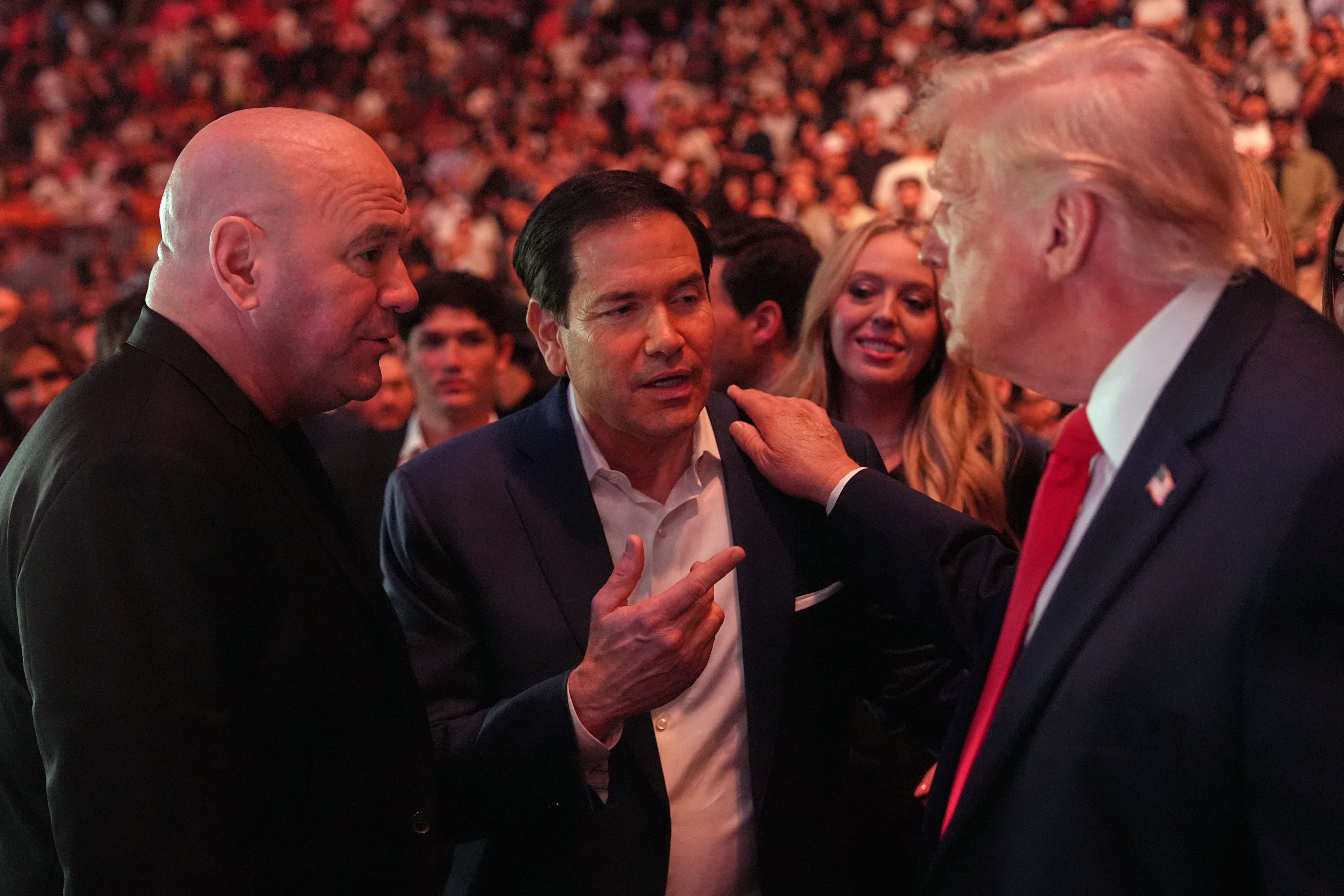
The strait is now being tested in real time
This is where it gets interesting. CENTCOM has launched a mine-clearing mission in the Strait of Hormuz. Two US destroyers transited the strait today and the CENTCOM commander said the US will establish a safe lane for commercial shipping. This is the first real test of whether Iran's closure of the strait was ever enforceable or just a bluff. Note, the first reported sighting of this was DURING the negotiations themselves.
Iran originally claimed it ordered one of the ships to turn around. The US denied that entirely. The IRGC warned that military vessels attempting to transit would face a strong response and that only non-military ships would be allowed through under specific conditions. So far that response hasn't materialised in any meaningful way.
After the talks fell apart, Trump reposted an article suggesting a naval blockade could be the next move if Iran won't budge. The ceasefire is still technically alive but nobody is confident it holds. Pakistan is urging both sides to keep it together. We'll see.
Israel-Hezbollah
Bint Jbeil is now emerging as a decisive pressure point on the Israel–Lebanon frontline, with indications that Israel Defense Forces units are tightening their hold around the town after sustained ground and air operations over the past 24 hours. Localised clashes, artillery fire, and precision strikes have intensified across the central sector, pointing to a deliberate push rather than limited incursions.
Bint Jbeil sits at the heart of the southern axis, acting as a connective node between multiple villages and logistical routes that feed Hezbollah’s defensive network. Control here means influence over movement, resupply, and observation across a large portion of the central front.
But this town holds more importance than just strategical.For Hezbollah, Bint Jbeil carries deep symbolic value. It was one of the defining battlegrounds of the 2006 war, where Israeli forces failed to secure lasting control despite heavy fighting. In the aftermath, Hassan Nasrallah delivered his widely cited “divine victory” speech from the town, referring to Israel being weak as a “spider-web”, cementing its place as the ideological centre of Hezbollah’s resistance narrative.
If that changes now, the implications extend beyond terrain. A full Israeli takeover would represent a psychological rupture, undermining one of Hezbollah’s most enduring symbols while signalling a shift in battlefield momentum. It would also reopen the possibility of Israel reasserting a form of buffer presence in southern Lebanon, echoing its pre 2000 security zone posture.
However, we must also consider this is not 2006 anymore. The battlefield dynamics have changed especially in regards to Hezbollah strategy. The Hezbollah we’re now seeing is far more decentralised, operating in smaller guerilla nodes. In this sense, the potential loss of Bint Jbeil may not be as strategically significant as it once was - but the symbolic loss would still hurt.
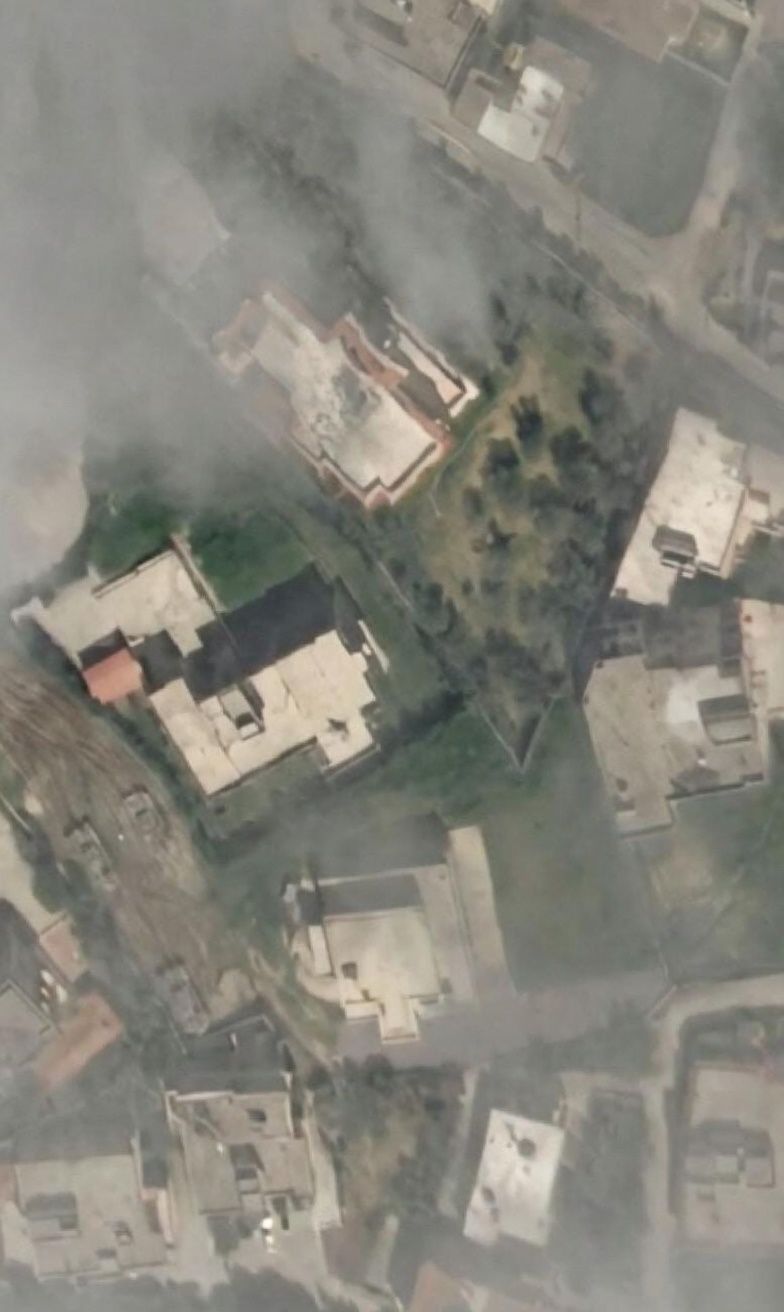
Merkava tanks spotted near football field.
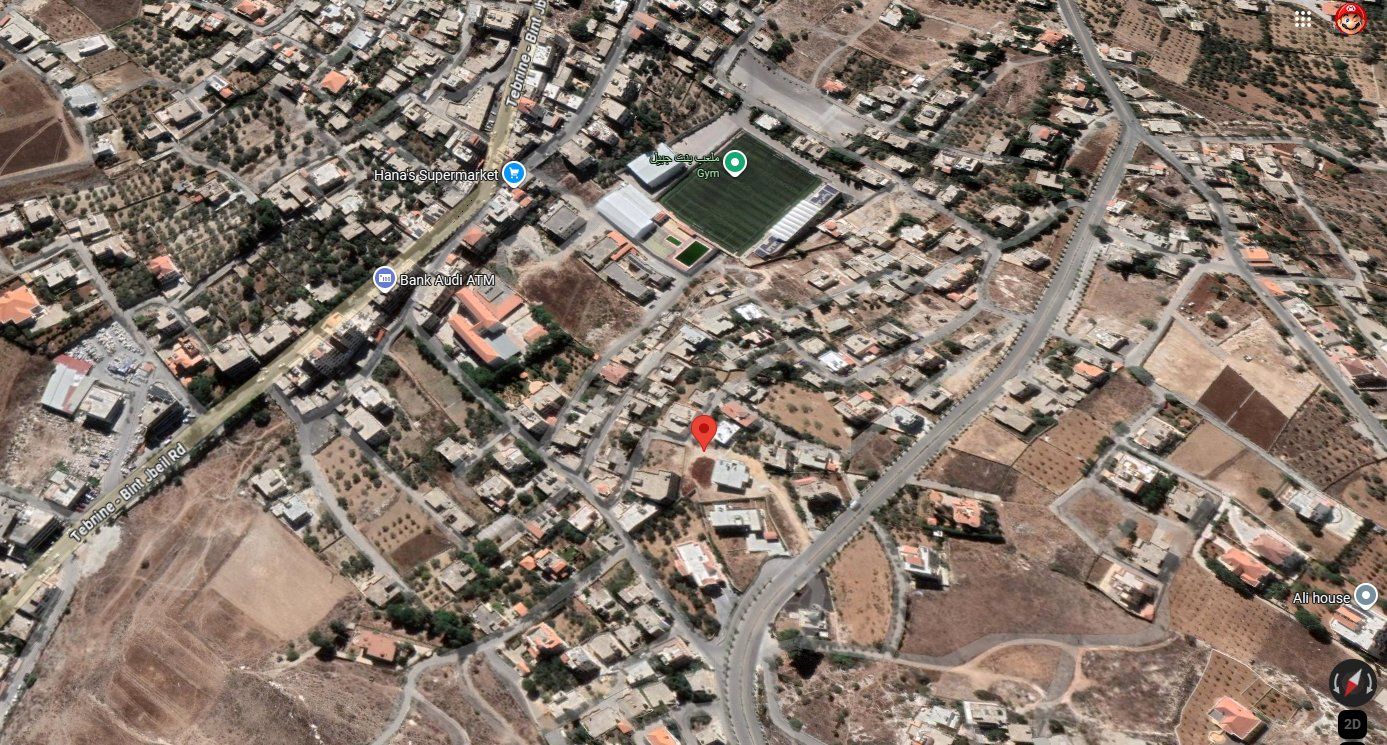
Location of tanks to football field.
Source for images and geolocation
Sources available upon request
TODAY IN HISTORY
(April 12, 1981): NASA launched the first space shuttle, Columbia, which was designed to orbit Earth, transport people and cargo to and from orbiting spacecraft, and glide to a runway landing on its return to Earth.